
Essential Gear for Your Whale Swimming Experience

Updated: Jun 25
Preparing the right gear is an essential part of getting ready for a whale swimming trip in French Polynesia. Good equipment will make you more comfortable, more efficient in the water, and allow you to fully enjoy the experience without being distracted by technical issues or discomfort.
After years guiding whale expeditions in French Polynesia, here is the gear we genuinely consider essential.

Choose Efficiency Over Performance for your fins
Your fins are one of the most important pieces of equipment during whale encounters. In French Polynesia, regulations require boats to stay at least 100 meters away from the whales. This means you will need to swim at least that distance, often more, and sometimes multiple times during the same outing. Having fins adapted to your level and comfortable enough for repeated swims makes a huge difference in both your energy and your overall experience in the water.
Avoid fins that are too short. You will often need enough propulsion to move efficiently in current, reposition quickly, or follow the guide’s instructions without exhausting yourself.
Also one of the mistake we see is people bringing overly technical fins that are not adapted to their level. Carbon freediving fins may look impressive, but without proper technique they can quickly become counterproductive. Poor technique often leads to cramps, fatigue, and inefficient swimming.
For most people, we recommend classic plastic diving fins with a relatively long blade, like the ones used for scubadiving (like aqualung). They are reliable, easier to use, and much more forgiving during long days in the water.
Trying your fins before the trip is essential. Sometimes going slightly up a size and wearing neoprene socks can make a huge difference in comfort and help prevent blisters.
For swimmers already comfortable with proper kicking technique, longer freediving fins can be a great option. Some models we recommend include Cressi long plastic fins for an affordable setup, fiberglass fins like those from DIVER, or carbon fins for more experienced users.
Aqualung
Cressi
Diver
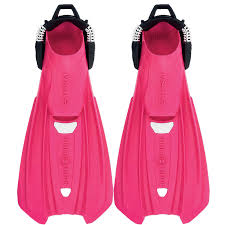
fins aqualung 
Cressi fins Diver fins
Your Mask Can Make or Break the Experience
A good mask changes everything.
It is your window into the underwater world, and if your mask constantly fogs or leaks, it can completely affect your experience.
One of the most important recommendations we can give is simple : Never use a brand new mask for the first time during your whale trip. New masks often fog heavily during the first uses because of manufacturing residues on the lenses. Techniques like burning the inside carefully with a lighter or leaving toothpaste overnight inside the lenses can help a lot, but even after treatment, some masks still fog during their first sessions.
Make sure your mask fits properly and that you feel fully comfortable wearing it before your trip.
A simple way to test fit : Place the mask gently on your face without using the strap and inhale slightly through your nose. If the mask stays in place naturally, the fit is usually good.
We also recommend avoiding transparent silicone skirts when possible, as they can create annoying reflections underwater.
Personally, my main mask is the Beuchat Maxlux S and I highly recommend it. The Maxlux however is particularly sensitive to fogging and definitely requires proper preparation before use. The visibility is excellent. Basic Cressi masks are also very good options. .
Freediving masks such as those from Salvimar also work very well, although personally I find that some low volume models slightly reduce peripheral vision.
For women, a small extra tip that makes a big difference for your hair care !
A headband worn under the mask strap or a soft cover on the strap helps protect hair from tangling and breakage during repeated swims.
Beuchat
Cressu
Salvimar
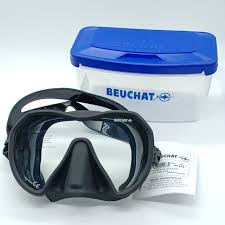
beuchat 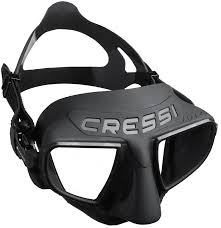
cressi 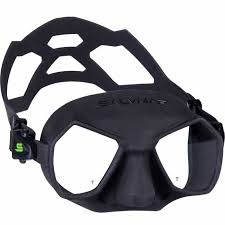
Salvimar
Wetsuits More Important Than Most People Think
In French Polynesia, regulations require swimmers to use individual flotation support during whale encounters. The good news is that wetsuits qualify as flotation equipment.
The rule is simple, At minimum, the upper body must be covered and the neoprene must be at least 3 mm thick.
This means a simple wetsuit top can be enough, and for women, feminine neopren swim suits in 3 mm are perfectly acceptable.
Beyond regulations, wetsuits are essential for comfort and energy conservation. Even in tropical water, spending hours in and out of the ocean can make you cold surprisingly quickly.
Personally, I use kualuah wetsuits, but we can also recommend brands such as Oceaner, Patagonia, or Waihana.

kualua
We have a promo code for Kualua wetsuits, so DM us if you'd like the code!
Protect Yourself From the Sun
You should not underestimate how intense the Polynesian sun can be after hours on the boat and in the water.
A good cap or hood, combined with quality UV-protective sunglasses, quickly becomes essential. In French Polynesia, Maui Jim sunglasses are very popular among fishermen and boat captains thanks to their excellent glare protection and visual comfort during long days on the ocean.
When choosing sunscreen, try to avoid products containing oxybenzone, octinoxate, and octocrylene. These ingredients can be harmful to coral reefs and marine life. Opting for a reef-safe mineral sunscreen is a better choice for both your skin and the ocean.
All good
Raw Elements
SVR
Staying Warm Between Swims Is Essential
People often focus on being comfortable in the water, but forget how important recovery is between swims. After multiple entries in the ocean, especially on windy or rainy days, you can feel cold quicky and your body loses energy fast.
A warm jacket can completely change your comfort level during the day and help you stay energized longer.
Without hesitation, the brand we recommend most is Surffur. We genuinely have not found better gear for warming up quickly after long sessions in the water.
A waterproof jacket is also extremely useful to protect yourself from wind and rain during boat rides.
Instant heat packs are another accessory we now consider almost essential. Small, inexpensive, and easy to find online, they can completely change your comfort level after long swims or cold rainy days.
Stay Hydrated and Bring Easy Snacks
Whale days are long and physically demanding.
Sometimes we spend more than two hours in the water under strong sun conditions. Staying hydrated is extremely important, and bringing a reusable water bottle with electrolytes or hydrating drinks helps maintain energy throughout the day.
Heavy meals rarely feel good before repeated swims and boat rides. Light snacks that are easy to digest usually work best throughout the day.
Dry Bags and Waterproof Storage Are necessary
Saltwater, humidity, and boat spray are constant during whale trips.
A dry bag quickly becomes one of the most useful pieces of gear you can bring to protect clothes, electronics, and personal belongings.
Waterproof pouches or wet bags for wetsuits and wet gear are also incredibly practical for staying organized throughout your ocean days.
Choosing an Underwater Camera
If you want to capture memories underwater, action cameras are usually the easiest option.
I personally tend to prefer DJI action cameras over GoPro for image colour and details although GoPros still work perfectly well for whale encounters.
A simple waterproof housing for your smartphone can also be surprisingly effective and is often more than enough for casual memories.
If you want to learn more about camera gear and improve your photography and videography skills, you can take a class with us. Just DM us!

@Nathan Minatta.
Good Gear Changes the Experience
Good equipment will not create the encounter for you.
But being warm, comfortable, hydrated, and confident in your gear allows you to stay focused on what truly matters once you are in the water.
And sometimes, that makes all the difference.


Comments